How Many BTU Can a Multi Zone Condenser Be in a Typical Setup?
If you're considering a multi-zone Additional resources mini split system for your home, you might be wondering, how many BTU a multi zone condenser can be in a typical setup. This question doesn't have a single definitive answer because multi-zone capacity is highly configuration dependent. Various factors including the number of indoor units, local climate, and the specific condenser model all play a role.
In this guide, we’ll dive into the basics of multi-zone condensers, what "true DIY" means in the mini split world, touch on some top brands like Zone Air, MrCool, and Senville, and talk about modern refrigerant connection technologies that simplify installation. We’ll also review key efficiency metrics like SEER2 and HSPF2, and clear the air on cold-weather heating capabilities.
Understanding Multi-Zone Mini Split Condensers
A multi-zone condenser is the outdoor part of a mini split HVAC system that supports multiple indoor air handlers or units. Unlike single-zone systems with one indoor unit, a multi-zone setup allows zoning for rooms or spaces with individualized temperature control.
Typical condenser BTU capacities scale up as zones are added. For example, condensers designed for:
- 2 zones might be around 24,000 to 30,000 BTU
- 3 to 4 zones around 36,000 to 48,000 BTU
- Up to 5 or more zones, commonly up to 60,000 BTU or slightly above
The reason a condenser can be as large as 60,000 BTU or even more is that it needs the capacity to cool or heat all attached indoor units simultaneously. However, just because a condenser is rated for 60,000 BTU doesn't mean you have to run it at that max capacity or that every zone taps into an equal share.
Is a 60,000 BTU Condenser Common for Multi-Zone?
Yes, multi-zone condensers with a max output around 60,000 BTU are fairly common for residential and light commercial applications. Brands like Zone Air, MrCool, and Senville all offer models in this range.
These 5-zone condensers manage flexibility well. For example, a 60,000 BTU condenser might serve:
- One large room with a 24,000 BTU indoor unit
- Two medium rooms with 9,000 to 12,000 BTU units
- One smaller office or bedroom with a 6,000 BTU unit
- One utility or less-used zone with 6,000 BTU
This kind of configuration lets the system run efficiently, only delivering required BTUs where and when needed — this is the whole point behind zoning.
True DIY Mini Split Definition and How It Affects Your Setup
When shopping for a multi-zone mini split you might see the term "True DIY." It’s worth clarifying what it means because it affects the complexity of setup and tools required.
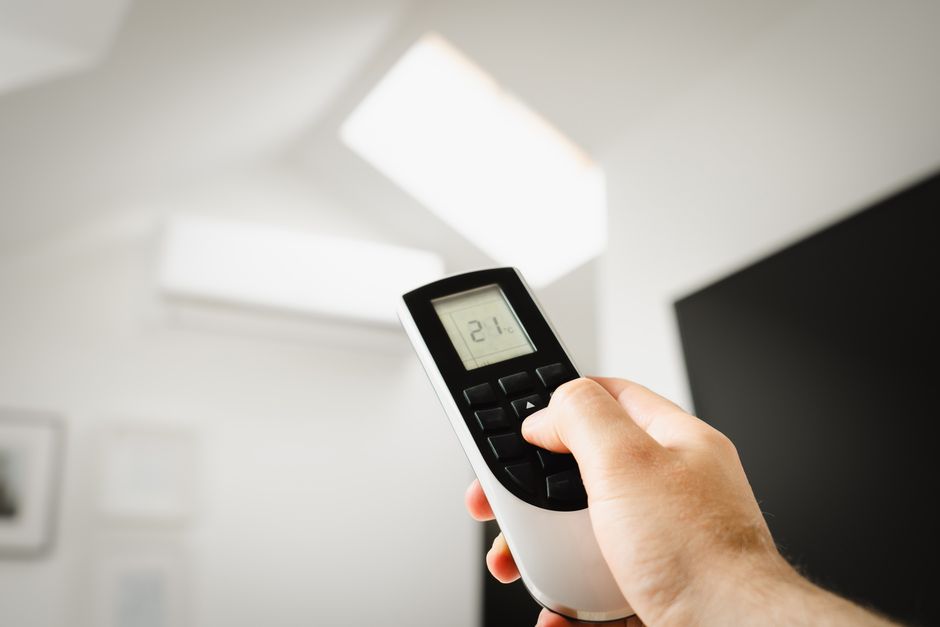
Historically, mini splits required professional refrigeration work — vacuum pumps, refrigerant gauges, and leak testing were standard because installers needed to connect copper flare fittings and evacuate air from the lines.
However, manufacturers like MrCool championed pre-charged quick connect line sets that revolutionized mini splits. These quick connect systems:
- Come factory-charged with refrigerant
- Feature airtight quick-connect fittings
- Allow homeowners or DIYers to install without specialized HVAC tools
- Eliminate the need for vacuum pumps and refrigerant gauges
This means true DIY systems shift the process from refrigerant management to just mounting, electrical wiring, and connecting the quick lines. It lowers installation barriers and reduces risk from improper handling.
Brands like MrCool and some product lines from Senville offer quick connect multi-zone solutions ideal for this Do-It-Yourself market.
Tools You Typically Need — Or Don’t — for True DIY
Tool Needed for Traditional Systems? Needed for True DIY Quick Connect Systems? Vacuum Pump Yes — to evacuate air and moisture from line sets No — lines come pre-evacuated and pre-charged Refrigerant Gauges Yes — for monitoring pressures during charging and leak checks No — factory charge and sealed connections Basic Hand Tools (drill, wrenches) Yes YesMulti-Zone Capacity Is Configuration Dependent
It’s important to reiterate: multi-zone condenser capacity depends heavily on your specific configuration. Here are the main factors that determine your condenser BTU needs:

- Number and size of indoor units: More zones = higher BTU demands, but a wisely sized and balanced setup may not max out the condenser.
- Local climate: If you live in a hot or cold region, your heating/cooling load per zone changes dramatically.
- Usage patterns: Zones rarely run all at full blast simultaneously. Smart controller logic often modulates compressors to balance loads.
- Building insulation and layout: Well-insulated homes generally require less BTU capacity.
Because of this, you should also look at the https://annamaid.com/multi-zone-mini-split-wiring-what-should-be-labeled-for-a-seamless-installation/ system’s efficiency ratings to understand operational cost and performance.
Efficiency Metrics: SEER2 and HSPF2
Modern mini splits are rated with efficiency metrics to help you compare performance and estimate energy costs. The latest standards use:
- SEER2: Seasonal Energy Efficiency Ratio 2 — measures cooling efficiency on a seasonal basis, updated from older SEER protocols for more accurate real-world conditions.
- HSPF2: Heating Seasonal Performance Factor 2 — measures heating efficiency under updated testing procedures.
These updated ratings better reflect realistic home conditions, enabling better comparisons between models from Zone Air, MrCool, and Senville.
A higher SEER2/HSPF2 means better efficiency and lower operating cost. When assessing condensers with capacities up to 60,000 BTU, don’t just focus on size — check their updated efficiency numbers.
Cold-Weather Heating Reality Checks
Mini split systems can be a fantastic option for cold climates, but it's important to set realistic expectations. Some multi-zone condensers are rated to work efficiently down to -5°F or even -15°F using advanced inverter compressors and enhanced refrigerants.
However, keep in mind:
- Heating capacity drops at very low outdoor temps; a 60,000 BTU rating at 47°F might only deliver 40,000 BTU at 5°F.
- Supplemental heating may be necessary in extremely cold conditions.
- Brands like MrCool and Senville offer cold-climate mini splits with improved HSPF2 ratings designed for colder areas.
Make sure to ask your supplier or installer about your location's specific heating needs and whether your multi-zone condenser can maintain comfort through your coldest months.
Summary Table for Typical Multi-Zone Condenser Capacities
Number of Zones Typical Condenser Capacity (BTU) Example Brands Offering Models 2 Zones 24,000 - 30,000 Zone Air, MrCool, Senville 3-4 Zones 36,000 - 48,000 MrCool, Senville 5+ Zones Up to 60,000+ Zone Air, MrCool, SenvilleFinal Thoughts
So, how many BTU can a multi zone condenser be? In a typical residential or light commercial setup, multi-zone condensers often max out around 60,000 BTU, though that depends heavily on configuration and manufacturer.
Embracing true DIY quick connect technologies from brands like MrCool or Senville saves you the need for HVAC-specific tools like vacuum pumps and refrigerant gauges, making installation accessible to homeowners.
Always consider updated efficiency ratings (SEER2, HSPF2) and realistic cold-weather performance before making decisions. A properly sized, multi-zone mini split condenser can keep your home comfortable year-round, zone-by-zone, without the complexity of traditional HVAC systems.
If you need help planning your multi-zone system, researching products from trusted manufacturers like Zone Air, MrCool, and Senville can be a great start.