How Much Desk Space Do I Need for a Full-Size Keyboard and Mouse Pad?
Setting up your workspace—whether for gaming, office work, or casual computer use—requires more than just plopping your gear down on any old surface. When planning the optimal desk space for a full-size keyboard and mouse pad, you’re looking at a balance of comfort, functionality, and safety. As someone who’s measured countless rooms and desks as a former showroom fitter, I can’t stress enough how proper measuring with a tape measure and sketching a simple floor plan can save headaches later on.
In this guide, we’ll walk through everything from measuring the floor space to calculating the ideal gaming desk size while keeping your chair clearance and monitor setup in mind. We’ll naturally reference workplace standards like those from the Occupational Safety and Health Administration (OSHA) and even touch upon unexpected places like mrq.com to highlight equipment and activity matching. So grab your tape measure, let’s unpack desk depth measurement!
Step 1: Measure Your Floor Space and Identify Obstacles
Before diving into specific desk dimensions, it’s critical to understand your environment. I often see folks rush to buy a large desk without measuring, only to find out it blocks a door swing or traffic path. One of my pet peeves is desks that jut out and block chair pull-back space or create cramped passages.
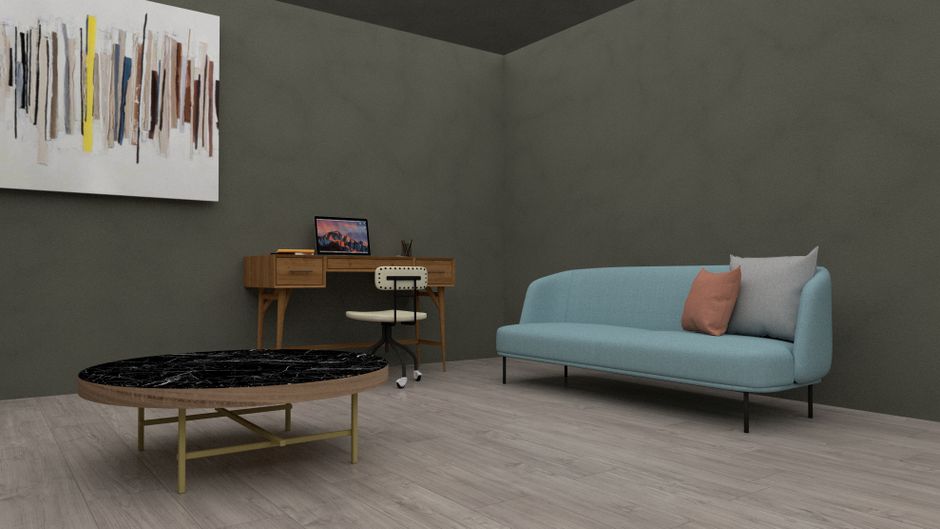
- Grab your tape measure: Measure from wall to wall and note the location of doors, windows, radiators, and outlets.
- Create a simple floor plan sketch: Even a rough drawing can guide your desk placement. Include furniture and obstacles to visualize the layout.
- Note outlet locations: For equipment like full-size keyboards, mice, monitors, and maybe consoles if you’re a gamer, you’ll need accessible power sources without tripping over cables.
This initial measurement step enables smart desk size choices and helps prevent costly returns or awkward DIY hacks.
Step 2: Match Desk Size to Keyboard, Mouse Pad, and Activity
Your desk’s main purpose dictates how much space you need. For example, someone who plays on mrq.com might require a different setup from a corporate employee relying on complex software.
Full-Size Keyboard Dimensions
A standard full-size keyboard usually measures roughly 17-18 inches (43-46 cm) wide and 5-7 inches (13-18 cm) deep. Mechanical keyboards, often preferred by gamers and typists, can be slightly bulkier.

Mouse Pad Space
For accurate mouse movements, especially in gaming, space matters. A large mouse pad can range from 12x10 inches (30x25 cm) up to full desktop pads measuring 36x18 inches (91x46 cm). Your ideal desk should comfortably accommodate your full-size keyboard side-by-side with your mouse pad, allowing 2-3 inches of buffer space to prevent squeezing.
Activity and Ergonomics
OSHA provides ergonomic guidelines recommending sufficient space for natural arm movements and minimizing strain. This means you want enough desk surface to rest your wrists and forearms while typing and moving the mouse freely.
Therefore, the desk’s width and depth should accommodate not only the physical equipment but also your natural posture.
Desk Depth Measurement: How Deep is Deep Enough?
We often hear about desk width, but desk depth measurement is just as crucial. Insufficient depth leads to cramped setups where your monitor is too close or keyboard placement feels awkward.
Desk Depth (inches) Recommended Use Notes 20 - 24 Basic office work, laptop use Good for small keyboards, minimal mouse movement 24 - 30 Full-size keyboards, general typing, mouse pad Ideal for standard desktop setups 30 - 36+ Gaming desks, multi-monitor rigs Allows large mouse pads and wide monitor placementI always recommend picking a desk that offers at least 24 inches (61 cm) depth if you use a full-size keyboard and mouse pad. For gaming, which involves large sweeping mouse motions, 30 inches (76 cm) or more is ideal.
The Make-or-Break: Chair Clearance and Desk Placement
Ignoring chair clearance ruins even the best desk setup. You need space behind your chair to push back and gaming setup spacing guide recline comfortably without hitting walls, furniture, or blocking door swings.
- Allow at least 24-30 inches (61-76 cm) behind your chair for pull-back and movement
- Verify door swings so a desk corner doesn’t impinge on doorways - this drives me nuts!
- Consider footrests or floor mats in your measurement if you use them
When you plan your setup with a tape measure and simple floor plan in hand, you avoid the trap of buying a massive desk that leaves no room to move.
Monitor Size vs. Real Desk Space
Don’t overlook how monitor size affects your usable desk area. Today's gaming and office monitors are often larger and wide-screen, taking up significant desk depth and width.
Here’s a quick reference:
- Typical 24" monitor real width: ~22 inches (56 cm)
- Typical 32" monitor real width: ~28 inches (71 cm)
- Monitor depth (stand included): 7-9 inches (18-23 cm)
To position a monitor ergonomic to eye level and within arm’s reach, you’ll generally want the desk’s depth to exceed your monitor's depth by 12 inches (30 cm) or more, allowing room for keyboard and mouse placement in front. If you have dual monitors or an ultrawide screen, increase these estimates accordingly.
Putting It All Together: Sample Desk Space Calculation
Let’s say you have:
- Full-size mechanical keyboard: 18" wide x 7" deep
- Large mouse pad: 15" wide x 12" deep
- Monitor with stand: 24" wide, 8" depth
- Chair clearance of 30"
Desk width should be at least the sum of keyboard + mouse pad width + buffer:
18" keyboard + 15" mouse pad + 4" buffer = 37 inches minimum
Desk depth should be enough to house monitor plus keyboard placement:
8" monitor depth + 12" keyboard/mouse desk surface + 4" buffer = 24 inches minimum depth
Then ensure your room can host the desk width plus chair clearance without blocking pathways or doors.
Final Tips and Best Practices
- Always measure first with a tape measure, never guess desk dimensions.
- Sketch your room layout to visualize desk *and* chair placement before buying.
- Prioritize ergonomics over flashy desk styles. Your health depends on it.
- Avoid placing your monitor opposite bright windows to reduce glare and eye strain.
- Think about outlets and cable management early—hidden cords lead to frustration.
- Check OSHA guidelines for ergonomic workstation setups—they’re valuable even for home offices.
Conclusion
Determining how much desk space you need for a full-size keyboard and mouse pad is about measuring your gear, space, and body needs holistically. Whether you're grinding on mrq.com or handling spreadsheets professionally, your gaming desk size and setup impact comfort and productivity.
From my experience, the key lies in the details—always keep a tape measure handy, draft simple floor plans, and never forget to include chair clearance. Matching desk size to the width and depth of your keyboard, mouse pad, and monitor ensures your workspace works for you—not against you.
Plan smart, measure carefully, and your desk will be a game-changer—literally.