If Pioneer Needs Pro Install, Why Do People Still Buy It?
When homeowners explore mini split HVAC options, brands like Pioneer, Zone Air, and MRCOOL often come up in conversation. Each brand offers a slightly different blend of features, costs, and installation requirements—which can feel daunting to DIY enthusiasts and first-time buyers alike.
One common question is: If a Pioneer mini split requires a professional installation, why do people still choose it over more straightforward “true DIY” systems? What tradeoffs are at play? In this post, we’ll unpack the real-world factors that influence buyer decisions, including:
- Pioneer mini split value and lower equipment cost
- The realities of a professional HVAC contractor install versus true DIY options
- 115V plug-in convenience contrasted with 230V hard-wiring needs
- The role of pre-charged line sets and quick connect fittings in reducing install headaches
- Install time expectations and homeowner workflow planning
The Classic DIY vs Pro Install Mini Split Debate
Let’s start with the big picture. When shopping mini splits, there are really two camps:
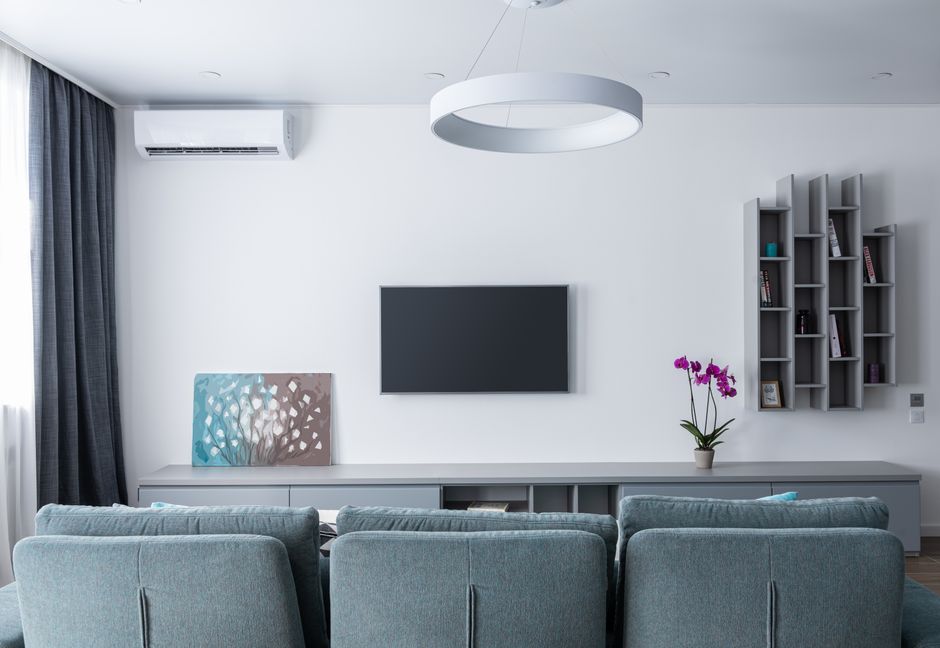
- True DIY Systems: Brands like MRCOOL advertise pre-charged line sets and quick connect fittings, enabling an owner to avoid costly refrigerant handling and complex vacuuming steps. These mini splits usually plug into a standard 115V household outlet and come with detailed instructions intended for a confident homeowner or handy DIYer.
- Pro Install Mini Splits: Pioneer and many other well-known HVAC brands design systems with industry-standard line sets that come uncharged or require refrigerant charging, as well as higher-voltage electrical requirements (often 230V), which means a professional HVAC contractor install is strongly recommended or required by local codes.
So if Pioneer is less DIY-friendly and demands a pro install, why do people buy it? Because the answer lies in value, flexibility, and equipment quality.
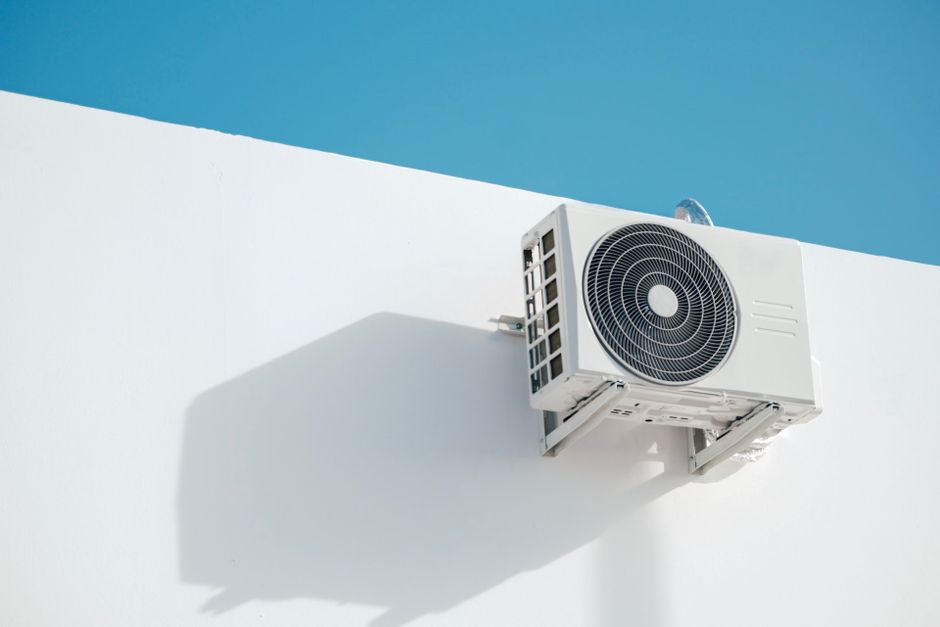
Pioneer Mini Split Value: Lower Equipment Cost, Industry Proven
Pioneer mini splits are known for their competitive pricing compared to traditional HVAC brands, often costing hundreds of dollars less per unit than comparable brands that also require professional installation. This lower equipment cost is a huge attraction for budget-conscious buyers who want a quality mini split without a sky-high sticker price.
Unlike some DIY-focused brands that sacrifice certain professional-grade single zone mini split features or rely on patented quick-connect fittings that limit flexibility, Pioneer systems offer:
- Industry-standard, serviceable line sets that seasoned HVAC contractors prefer
- Robust components used in commercial and residential HVAC applications
- Compatibility with professional refrigerant servicing and upgrades
- Greater capacity options and installation flexibility for complex homes
In other words, even if there’s an upfront labor cost, Pioneer’s equipment represents an investment in long-term durability and adaptability that appeals to many buyers.
115V vs 230V: What Homeowners Need to Know
One aspect where the reality can surprise DIYers is the electrical requirement. Many true DIY mini splits like those from MRCOOL are designed to plug directly into a 115V standard household outlet. This eliminates the need for an electrician or hard wiring, speeding up installation dramatically.
Pioneer mini splits, however, typically require a 230V hard-wired connection, which means:
- An electrician visit is often necessary—this adds time and costs
- Electrical permits and inspections might be required by local building codes
- DIYers without electrical experience should avoid this step for safety reasons
For many buyers comfortable paying for the professional step, a 230V setup usually means the unit can run more efficiently and handle higher capacities—beneficial for larger rooms or whole-home systems.
The Magic of Pre-Charged Line Sets and Quick Connect Fittings
When it comes to simplifying mini split installation, the introduction of pre-charged line sets and quick connect fittings has been a game changer—especially for DIYers.
Here’s why they matter:
- Pre-Charged Line Sets: These refrigerant lines come factory-charged, eliminating the need to vacuum the line or add refrigerant on site. This avoids a common pain point requiring specialized HVAC tools and EPA-certified technicians.
- Quick Connect Fittings: Unlike traditional flare or braze fittings requiring brazing or leak-proof flare connections, quick connect fittings snap or twist together to form airtight seals without specialized tools.
Brands like MRCOOL leverage these technologies to deliver true DIY-friendly systems where homeowners can reduce or eliminate costly contractor labor in refrigerant handling. Meanwhile, Pioneer line sets are usually industry standard—meaning they require refrigerant charging and fittings that HVAC pros manage.
What Does This Mean for Install Time and Homeowner Workflow?
Installation time varies depending on the system but here’s a rough comparison:
Mini Split Type Estimated Install Time Key Factors Professional Labor Needed? True DIY (e.g., MRCOOL) 4–8 hours Pre-charged lines, plug-in 115V, quick connect fittings Minimal, maybe electrician for additional outlets Pro Install (e.g., Pioneer) 8–16 hours Hardwire 230V, refrigerant charging, conventional line sets Yes, licensed HVAC technician requiredFor homeowners, this means planning ahead and accepting a different workflow:
- If choosing Pioneer, you’ll likely coordinate with an HVAC contractor for a multi-day install involving electrical work, refrigerant handling, vacuum, system testing, and official inspections.
- If choosing MRCOOL or Zone Air DIY models, you can often control the entire install timeline yourself with appropriate preparation and patience.
Why Buyers Still Choose Pioneer Despite the Pro Install Requirement
Summarizing the reasons:
- Lower equipment cost: Pioneer offers a quality mini split at a price point often hundreds less than established HVAC brands with similar specs.
- Long-term durability and support: Contractors appreciate working on Pioneer systems due to their compatibility with standard parts and refrigerant servicing.
- Higher capacity and flexibility: For larger or complex HVAC needs, Pioneer can offer systems that DIY-compatible brands don’t cover.
- Willingness to pay for a professional install: Many homeowners prefer peace of mind and code-compliant installs managed by licensed technicians.
Buying a Pioneer mini split isn’t about avoiding professional help—it’s about investing in a proven HVAC solution with a lower upfront equipment cost and trusted serviceability. For those comfortable with professional steps, the tradeoff can make perfect sense.
Final Thoughts
The ecosystem of mini splits today is exciting because it offers options that fit a wide range of budgets, DIY skill levels, and home requirements. While MRCOOL and Zone Air make true DIY convenient and accessible, Pioneer satisfies those seeking professional-grade equipment at a value.
If you’re weighing your options, think carefully about your comfort with electrical and refrigerant work, your willingness to schedule professional HVAC install help, and the scale of your HVAC needs. Understanding the difference between plug-in 115V quick connect mini splits and hard-wired 230V pro install systems will help you avoid surprises.
Whichever path you choose, knowing the tools and tradeoffs involved will set you up for a successful, comfortable, and energy-efficient home climate solution.