What Does SEER2 Mean for Mini Splits in Plain English?
If you’re considering installing a DIY mini split system—maybe even eyeing that Zone Air 12K BTU single zone (230V) for $2,049.99 at Home Depot—you’ve probably come across the term SEER2. But what does it mean for your cooling or heating efficiency? And why should it matter if you’re shopping from brands like MRCOOL, Zone Air, or even choosing between a direct-to-consumer purchase versus a dealer network?
As a mom of three who lived through years of broken whole-house AC, failed portable units, and obsessive research into mini splits, I’m here to break it down in plain English. No jargon, no sales fluff, just the facts so you know what you’re really getting when looking at SEER2 numbers and deciding if a DIY mini split is worth your hard-earned $2k and more.
What Is SEER2? (SEER2 Explained)
To start with the basics: SEER2 stands for Seasonal Energy Efficiency Ratio 2. It's essentially a rating that shows how efficiently a cooling system like a mini split uses electricity over an entire cooling season. The “2” means it’s an updated test method introduced recently to give a more accurate picture of real-world efficiency compared to the original SEER rating.
Think of it like miles per gallon (MPG) for your car—the higher the number, the better the machine uses energy to keep your home cool. But SEER2 takes into account modern testing standards with different temperature profiles and equipment setups, making it a more reliable figure.
Why the Change from SEER to SEER2?
- More Realistic Testing: The SEER2 standard tests efficiency under conditions closer to what your mini split faces in actual homes.
- Improved Accuracy: Adjustments were made to reflect the impact of real-world operation, such as how the system performs under partial loads.
- Standardization: Helps compare new models fairly, especially as technology and efficiency standards advance.
If you’ve looked up MRCOOL or Zone Air models lately, you might have noticed some listing both SEER and SEER2 ratings. Don’t just glance and assume they’re the same—SEER2 will often be a bit lower numerically but more trustworthy.
How to Compare SEER2 Numbers
When you see a cooling efficiency rating for mini splits, here’s what you need to know before you compare models or brands:
- Know the Scale: Higher SEER2 ratings mean better efficiency. For example, a unit with a SEER2 of 20 is more efficient than one rated 16.
- Matching Your Needs: A larger home might benefit from a higher SEER2 to save on electric bills, while a smaller space might not justify the extra expense.
- Heating Efficiency — Look for HSPF2: Since many mini splits offer heat as well, check the Heating Seasonal Performance Factor 2 (HSPF2). This measures heating efficiency akin to SEER2 for cooling.
Keep in mind that cheap, vague claims about “ultra high efficiency” without listing SEER2 or HSPF2 numbers are a red flag. I’m tired of see-through marketing that doesn’t back its claims with clear, standardized ratings.
Cold Climate Heating: Does SEER2 Cover That?
Many folks ask: “Will this mini split heat my home when it’s freezing outside?” Brands like MRCOOL and Zone Air now advertise heating capability down to around -13°F. But SEER2 and HSPF2 ratings mostly cover the unit’s efficiency across a defined heating or cooling season—typically milder temperatures.
This means:
- The system can heat effectively down to cold temps thanks to inverter-driven compressors and advanced refrigerants.
- You want to check specs and reviews carefully for cold-climate performance, especially if you live somewhere with subzero winters.
- SEER2 and HSPF2 ratings might not fully reflect hard freezes—your actual performance can vary.
In a “real house” context, I'd also advise pairing mini splits with good insulation and realistic expectations about backup heat sources if necessary.
Direct-to-Consumer vs Dealer Network: What You Need to Know
Here’s where things get interesting and a Go to this site bit tricky for DIYers eyeing brands available at Home Depot or online:

Aspect Direct-to-Consumer Dealer Network Pricing Often more transparent with full kit pricing upfront (e.g., the Zone Air 12K BTU at $2,049.99) May require quotes and upselling; actual cost can be vague with hidden fees Installation Support Minimal or community-driven; you’re mostly on your own or with online tutorials Often includes professional installation, warranty tied to dealer, service options Parts and Tools Included May come with tools like quick connect fittings and pre-charged line sets for easier DIY installs Usually parts separated; professional install handles line sets and refrigerant charges Warranty Varies, sometimes limited unless professionally installed Typically better warranty coverage with dealer installs
From my experience, what sounds easy—like plugging in quick connect fittings or using pre-charged line sets—can turn frustrating if you’re not prepared or comfortable with electrical work. Don’t risk code-breaking yourself; hire a pro for the electrical portion if you feel unsure.
Real Pricing and DIY Value: What You Actually Pay
Let’s get real about the $$ home depot mrcool pickup side, especially if you’re tempted by that almost-too-good-to-be-true “under $2,100” DIY mini split kit at Home Depot.
- Base Unit Price: The “Zone Air 12K BTU single zone (230V)” goes for $2,049.99, which is pretty competitive compared to dealer-installed systems that can run $3,500 or more.
- Extra Parts and Tools: Do you already have tools like torque wrenches? Might need to buy electrical supplies, conduits, breakers, or even new breakers to handle the load.
- Electrical Work: This is the wildcard cost. I strongly advise not DIY electrical wiring if you’re uncomfortable. Hiring an electrician might add $300–$700 depending on complexity.
- Time and Effort: Don’t underestimate this. Even with pre-charged line sets and quick connect fittings, routing refrigerant lines, mounting the outdoor condenser without odd coiled copper you’d hate, leveling indoor heads properly—this takes patience.
- Long Term Energy Savings: Higher SEER2-rated units will cost more upfront but save you bucks season after season, balancing initial investment over time.
Quick Connect Fittings and Pre-Charged Line Sets: Why They Matter
If you’re like me, the mention of “quick connect fittings” and “pre-charged line sets” in DIY kits sounds like a dream. Here’s why these tools are standout features:
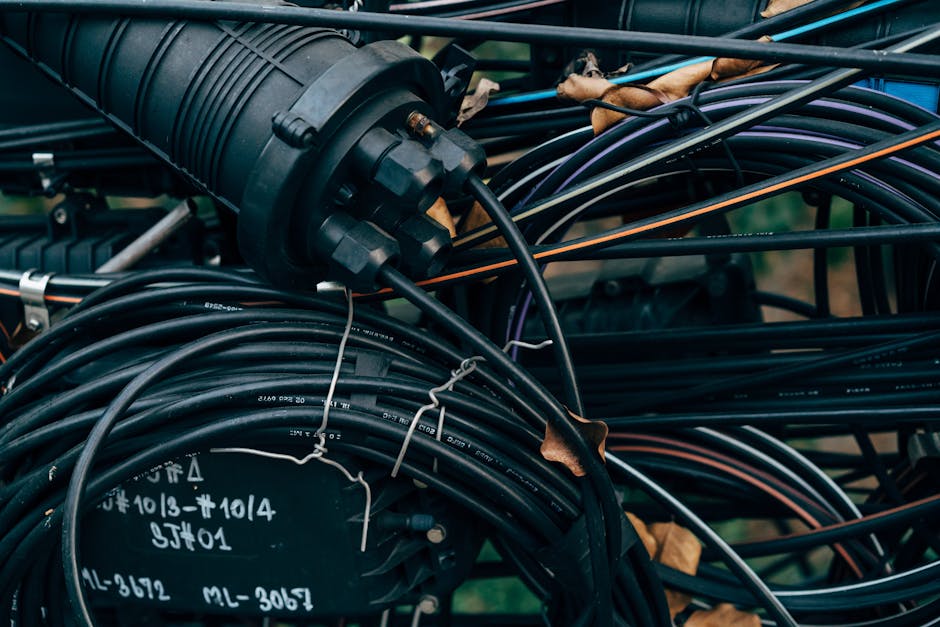
- Quick Connect Fittings: These eliminate traditional flare or brazed refrigerant fittings, simplifying setup by snapping hoses together securely. Saves both time and leak risks.
- Pre-Charged Line Sets: These refrigerant lines come charged from the factory, meaning you don’t need to handle refrigerant or vacuum pumps yourself.
This tech makes mini splits more accessible to people who want a DIY route without committing to refrigerant handling licenses or buying expensive HVAC tools.
My Take: What Would I Do in a Real House?
If I were replacing my broken whole-house AC right now (again), here’s my approach:
- Look for mini splits with clearly stated SEER2 and HSPF2 ratings I can verify.
- Favor brands with kits that include quick connect fittings and pre-charged line sets if I’m confident handling the mechanical install.
- Budget realistically: the listed price at Home Depot for Zone Air looks attractive, but add electrician and incidentals.
- Avoid DIY electrical wiring unless I have experience or a pro to call — safety first!
- Don’t buy extra copper coiled crazily behind the condenser — I hate that setup both aesthetically and for system longevity.
In a real house with variable climate, I’d also layer my heating strategy to not rely solely on mini splits in blizzards below -13°F.
Wrapping It Up: Why SEER2 Matters for Your Mini Split Choice
In short, SEER2 is your best friend for understanding actual efficiency in mini split cooling—more accurate, standardized, and relevant for 2024 and beyond. When comparing models from MRCOOL, Zone Air, or others, look beyond vague marketing. Seek clear SEER2 and HSPF2 numbers to gauge true energy performance.
DIY kits sold direct or through retailers like Home Depot give you value, especially with modern conveniences like quick connect fittings and pre-charged line sets. But beware of hidden costs, and be honest about your electrical skills. Mini splits can be life-changers if chosen thoughtfully with realistic pricing and expectations.
Your AC doesn’t have to break your bank or your patience—just make sure you know what the SEER2 label means before clicking “Buy.”