What Indoor Noise Level Should I Aim for Under 35 dB(A)?
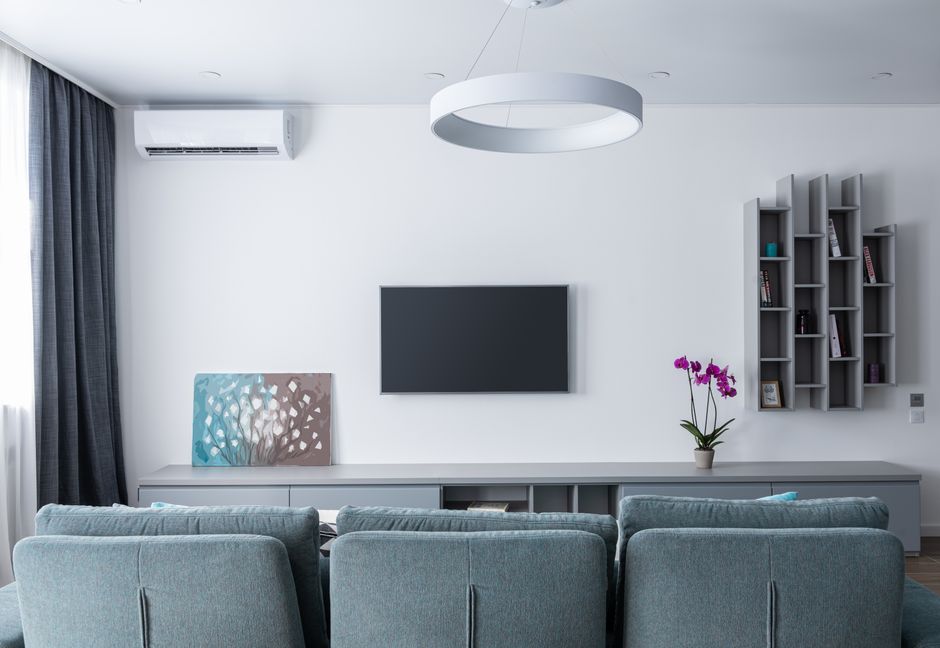
When choosing a mini split system for your home, especially if noise is a critical factor, aiming for bedroom noise under 35 dB is a solid goal. A quiet ambiance contributes significantly to comfort and sleep quality, and selecting the right system with the right installation method is key.
Understanding Indoor Noise Levels and Why 35 dB(A) Matters
The decibel (dB) scale measures sound intensity, and dB(A) indicates a weighted scale designed to reflect the sensitivity of human hearing. For context:
- 30 dB(A) = whisper or quiet rural area
- 35 dB(A) = quiet office or soft home environment
- 40+ dB(A) = moderate noise level, noticeable background hum
If you’re hunting for an air handler with low fan dB levels for bedrooms or study spaces, keeping it under 35 dB(A) indoors is a practical, achievable benchmark that eliminates sleep disruption https://annamaid.com/how-do-i-pick-between-9k-and-12k-btu-for-a-500-sq-ft-garage/ and maintains tranquility.
Why Choose 110V/115V Mini Splits for Quiet Single-Room Comfort?
Most mini splits operate on 208V/230V supply to handle large loads efficiently. However, 110V/115V mini splits are increasingly rare but extremely handy for single rooms or smaller living spaces. Here’s why:
- Plug-and-play simplicity: Many 110V/115V units can run off a dedicated household circuit without expensive rewiring or transformer upgrades.
- Compact and quiet: Brands like MrCool offer models with quiet indoor units rated under 35 dB(A), designed specifically for residential bedrooms or offices.
- Energy efficiency: Smaller capacity matches well with nuanced needs, minimizing energy waste and noise.
Not all 110V mini splits are created equal, so be sure to check detailed specs. For instance, Zone Air carries models optimized for quiet comfort and easy installation.
Dedicated Circuits: Why You Should Avoid Extension Cords at All Costs
One pet peeve I have as a renovation architect is seeing homeowners run HVAC equipment like mini splits via extension cords or undersized circuits. This practice is not only unsafe but also deteriorates system performance. Here’s what you need to know:
Dedicated 15A Circuit Is Mandatory for Most 110V Mini Splits
Most quiet mini splits designed for residential settings require a dedicated 15A circuit, wired with three conductors:
- Power (hot)
- Neutral
- Ground (for safety compliance)
Use a correctly rated circuit breaker and wiring gauge per NEC requirements—usually 14 AWG wire for 15A circuits. Running your single pole breaker mini split through an underrated breaker or extension cord risks voltage drop, nuisance tripping, and voiding warranties.
Use the Right Plug: Pigtail Plug Cable Rated at Least 15A
When installing mini splits with 110V plugs, a pigtail plug cable rated at least 15A with three wires is crucial. This ensures reliable power delivery, grounding, and compliance with safety codes.
Note: Beware of vague manufacturer claims like “works anywhere.” Always double-check if the unit is fully compatible with your home wiring setup.
DIY Installation Made Easier with Pre-Charged Quick Connect Line Sets
Many homeowners want to handle mini split installation themselves to save on labor. Luckily, certain manufacturers offer features that genuinely simplify this process without compromising performance:
- Pre-charged quick connect line sets: Products from brands like Cooper & Hunter and MrCool often include pre-charged line sets that dramatically reduce the need for costly vacuuming and refrigerant charging on-site.
- Plug & play frameworks: Some 110V mini splits arrive with factory-sealed connections that only require tightening and leak testing.
- Clear manuals and support: Reputable brands provide detailed instructions and customer support to help with troubleshooting.
However, remember: while DIY is possible, it’s not entirely plug-and-play. You need basic HVAC knowledge, the right tools (manifold gauges, vacuum pump, refrigerant leak detectors), and local permits compliance. Don’t skip these industrial best practices just because of marketing labels.
Warranty Terms: Why They Can Make or Break Your Mini Split Investment
Low noise levels and straightforward installation are great, but if the warranty is limited, your value proposition shrinks dramatically. Here’s what I recommend scrutinizing when shopping:
Warranty Aspect What to Look For Red Flags Warranty Length At least 5-10 years on compressor and parts 1-2 year limited warranty; voids after DIY install Installation Requirements Allows homeowner or licensed installer install Voids warranty unless installed by certified technician Registration Window Clear, timely registration process (30-60 days) Complicated or short windows or missing registration options Coverage Scope Includes labor, parts, refrigerant leaks Parts-only limited, excludes common wear and tearCompanies like Zone Air, Cooper & Hunter, and MrCool typically offer transparent warranty terms, but always read the fine print. Register your system promptly to avoid surprises!
Summary: How to Achieve Quiet Mini Split Comfort Below 35 dB(A)
In sum, here’s your actionable checklist to hit that coveted bedroom noise under 35 dB target with confidence:
- Choose a 110V/115V mini split designed for quiet operation — check brands like MrCool, Zone Air, and Cooper & Hunter.
- Ensure dedicated 15A circuit wiring with proper breaker size; no extension cords or shared outlets.
- Use the recommended pigtail plug cable rated for at least 15A with power, neutral, and ground.
- Opt for pre-charged quick connect line sets for easier DIY installation but be prepared with tools and knowledge.
- Scrutinize warranty terms carefully and register your unit within required windows.
- Double-check installation manuals against your home's electrical configuration to avoid surprises.
By balancing technology, installation practices, and warranty vigilance, your mini split can deliver whisper-quiet comfort that supports restful nights and peaceful living. Always prioritize proper electrical setups and manufacturer recommendations to protect your investment and avoid noise headaches down the road.
Additional Resources
- Zone Air Official Site
- Cooper & Hunter
- MrCool Mini Splits
- Why You Should Never Run HVAC on Extension Cords