What Should I Change First: New Décor or Fixing Damp and Ventilation?
When faced with the exciting prospect of refreshing your home, the question often arises: should you invest in new décor first, or tackle underlying issues like damp and ventilation? While it can be tempting to plunge straight into adding stylish touches—perhaps a chic lamp from Utology, known for their 5-star-rated furniture and accessories in Birkenhead, or pick out bespoke tile work from Unique Tiles in Crewkerne, boasting an impressive 14-star rating—it’s critical to get the basics right first. In this post, we’ll explore why ventilation first, décor last is the key mantra for a healthy, comfortable home, especially in the UK’s often damp climate.
Why Air Quality and Ventilation Come First
Before you start layering colour palettes, cushions, or lighting schemes, measure your indoor air quality and ventilation effectiveness. The UK’s increasingly airtight homes can suffer from trapped moisture and stale air, affecting both comfort and health. Tools like extract fans are vital to mechanically remove moist air from kitchens and bathrooms, where humidity can spike dramatically.
Good ventilation controls the equilibrium of humidity, temperature, and indoor pollutants. Without it, moisture problems from everyday activities (cooking, showering, even breathing) accumulate, often leading to condensation and damp. Making ventilation a priority allows your home to “breathe,” setting a strong foundation for any décor upgrades.
- Humidity measurement: Use a hygrometer to track relative humidity. Ideal levels are between 40-60%. Excess humidity signals ventilation concerns.
- Temperature control: Layered heating and lighting on separate circuits help manage indoor climate comfortably and efficiently.
Common Ventilation Installation Mistakes to Avoid
Even when homeowners install extract fans or other ventilation upgrades, they can be ineffective if done incorrectly. Common culprits include:
- Fans that are too noisy: Loud extract fans seldom get used. Choose models with low noise levels to encourage regular use.
- Poor placement: Fans need to be in humid rooms, positioned where steam builds up—like over showers or cookers.
- No separate controls: Integrate fans with humidity sensors or timers to automate ventilation rather than relying on manual switching.
- Lack of fresh air supply: Ventilation requires balanced airflow; installing extract fans without air inlets can create negative pressure and worsen damp.
Getting these factors right ensures your ventilation system supports healthy moisture management effectively.
Damp and Mould: The Invisible Health Risk
Damp is sometimes called “the invisible menace” because, in its early stages, it silently undermines your home’s fabric and your family’s health. When your walls, ceilings, or floors retain moisture long-term, mould spores develop, releasing allergens and irritants that can trigger respiratory problems, allergies, and in worst cases, exacerbate asthma.
It’s vital to detect and address damp early. Look out for signs like:
- Persistent musty smells
- Discoloured patches on walls or ceilings (often behind furniture or décor)
- Peeling wallpaper or blistering paint
- Visible mould growth (black, green, or white patches)
Ignoring these symptoms to focus solely on surface decoration is a false economy. No beautiful tile installation from Unique Tiles or elegant furniture from Utology will last long on a damp, poorly ventilated backdrop.
Small Fixes That Actually Work to Tackle Moisture Problems
Problem Practical Fix Why It Works Condensation on windows Install trickle vents or use a dehumidifier Improves air exchange, reducing surface moisture Insufficient extraction in kitchen Upgrade to a quiet, sensor-driven extract fan over cooker Removes cooking moisture effectively without noise disturbance Beverage steam in bathroom Use humidity-activated extract fans Automatically removes moisture spikes during showers Cold, damp walls Improve insulation and add breathable wall paints Prevents cold surfaces where moisture condensesThe Role of Circadian Lighting for Wellbeing
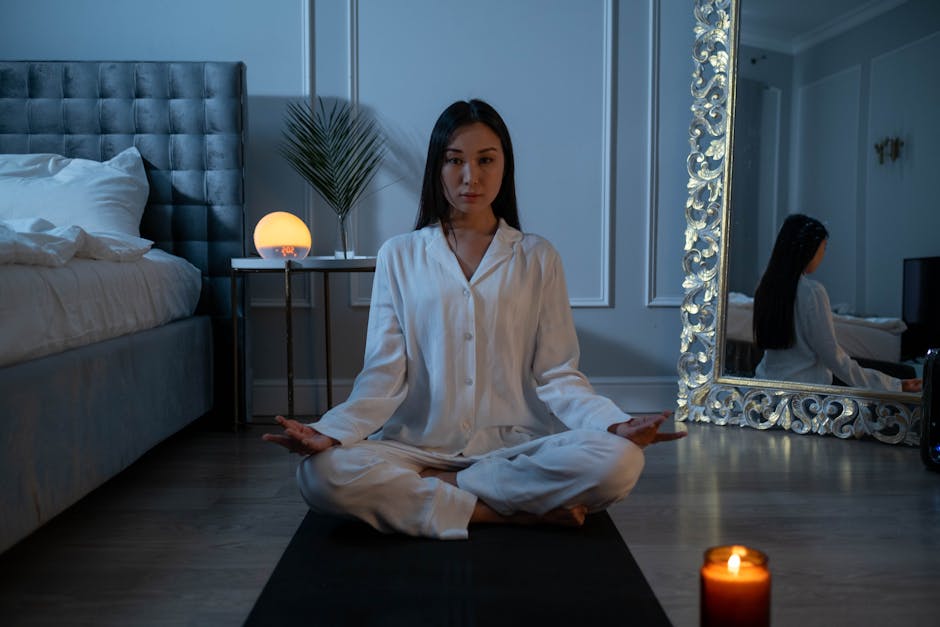
Once you have your air quality and damp issues under control, lighting becomes a powerful tool for comfort and health. Circadian lighting mimics natural light rhythms, supporting your body’s internal clock.
This means layering lighting on separate circuits allows for different timing and colour temperature effects:
- Cool, blue-enriched light in the mornings helps wake you up by simulating daylight.
- Warm amber tones in the evening encourage relaxation and prepare you for sleep.
Properly managed lighting, combined with good ventilation, makes your living spaces more pleasant and supports your overall wellbeing daily.
Why Décor Comes Last
Putting new décor in place before sorting damp or ventilation leads to frustration and extra cost. Imagine installing gorgeous bespoke stone worktops from Unique Tiles or adding elegant furniture from Utology—only to have mould spots push through wallpaper or paint blisters warp your surfaces. Worse yet, poor air quality can continually degrade these beautiful elements over time.
Addressing moisture problems is not just a maintenance issue; it’s a health investment. Only once you have a dry, well-ventilated home should you indulge in decorative upgrades, so your new finds homify.co.uk can truly shine and last.
Summary: Your Priority Checklist
- Measure humidity and temperature: Start with tools like a hygrometer.
- Upgrade ventilation: Install quiet, sensor-driven extract fans sensibly.
- Fix damp early: Patrol for invisible damp signs and address with small fixes.
- Integrate circadian lighting: Use layered circuits for natural-light rhythms.
- Only then decorate: Select your furniture, worktops, and accessories from trusted suppliers like Utology (Birkenhead) and Unique Tiles (Crewkerne).
Remember, a healthy home breathes, dries, and feels good before it looks good.
Further Resources
- Utology – Furniture & Accessories in Birkenhead
- Unique Tiles – Tile, Stone & Worktops in Crewkerne
- The Chartered Institute of Environmental Health – Guidance on Indoor Air Quality